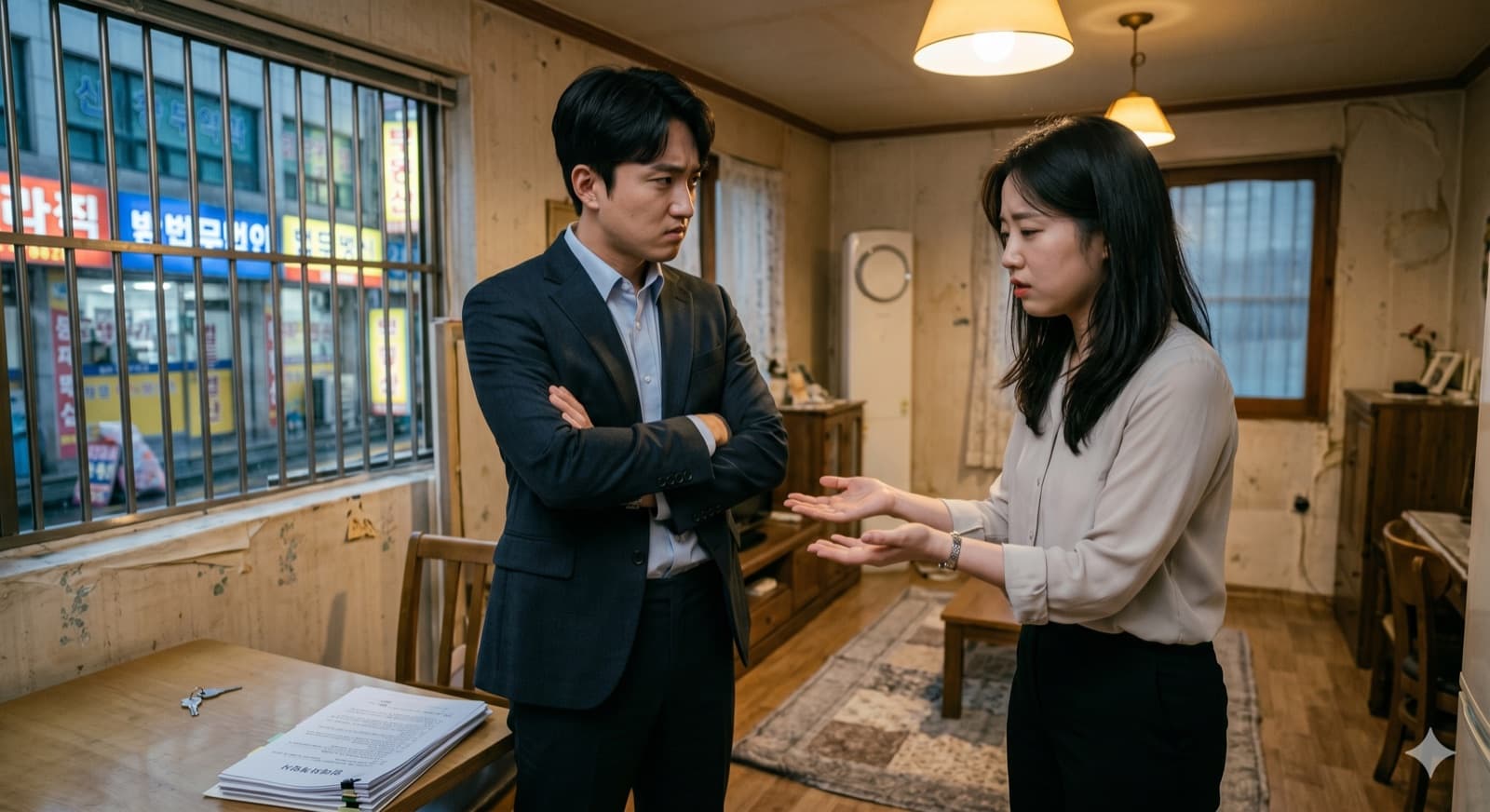
Comment récupérer ta caution locative en Corée (même si le proprio refuse de payer)

- Les cautions coréennes (보증금) sont remboursables par la loi à la fin du bail.
- Restitution de la caution et remise des clés sont des obligations simultanées.
- La trace écrite gagne : préavis écrit, photos, puis lettre certifiée 내용증명.
- Tu quittes la Corée ? Dépose un 임차권등기명령 avant de déménager.
- La médiation gratuite règle la plupart des litiges plus vite que le tribunal.
Frequently asked questions

F-4 visa holder operating co-living houses in Seoul since 2023. Writes about the practical reality of foreigner housing in Korea — what the friction actually costs, what it takes to live here long-term, and where the rental system trips up newcomers.
Related reading

The Expat's Guide to Co-Living in Seoul (2026): What It Is, What It Costs, and Where to Find It
Co-living in Seoul is the fastest, lowest-friction way for expats to land, settle, and actually enjoy the city. Here's everything you need to know before booking.
6 min de lecture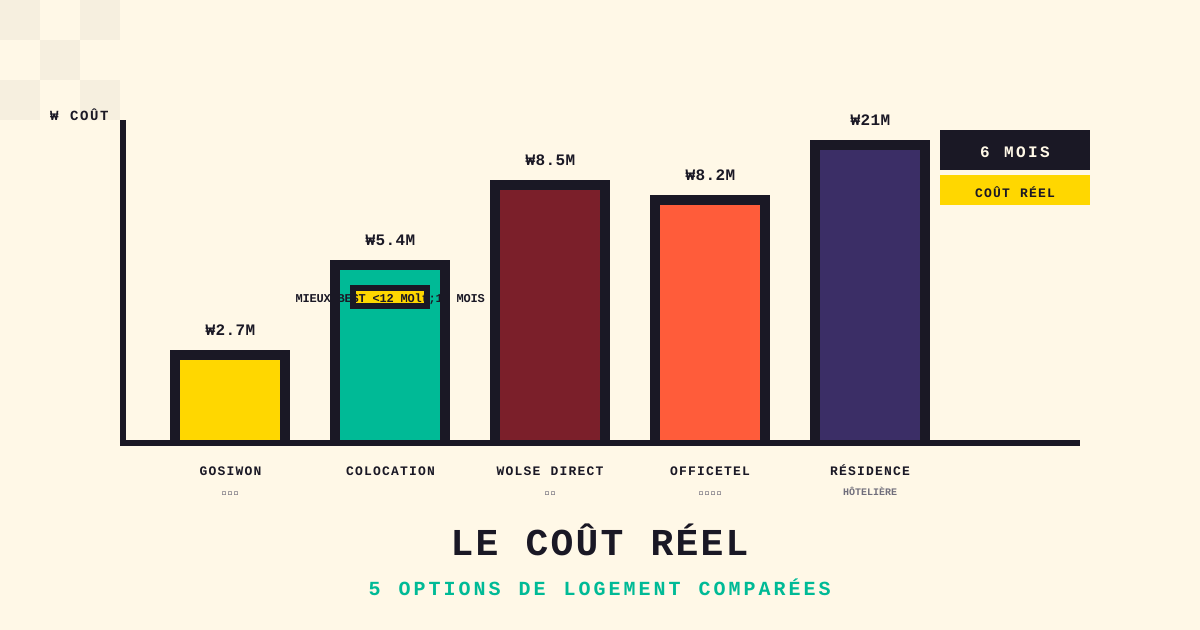
Share House vs Gosiwon in Seoul: Which One is Right for You?
Gosiwon is cheaper. Share houses are bigger and provide ARC documentation. This is the honest comparison — costs, room sizes, who each one actually suits.
5 min de lecture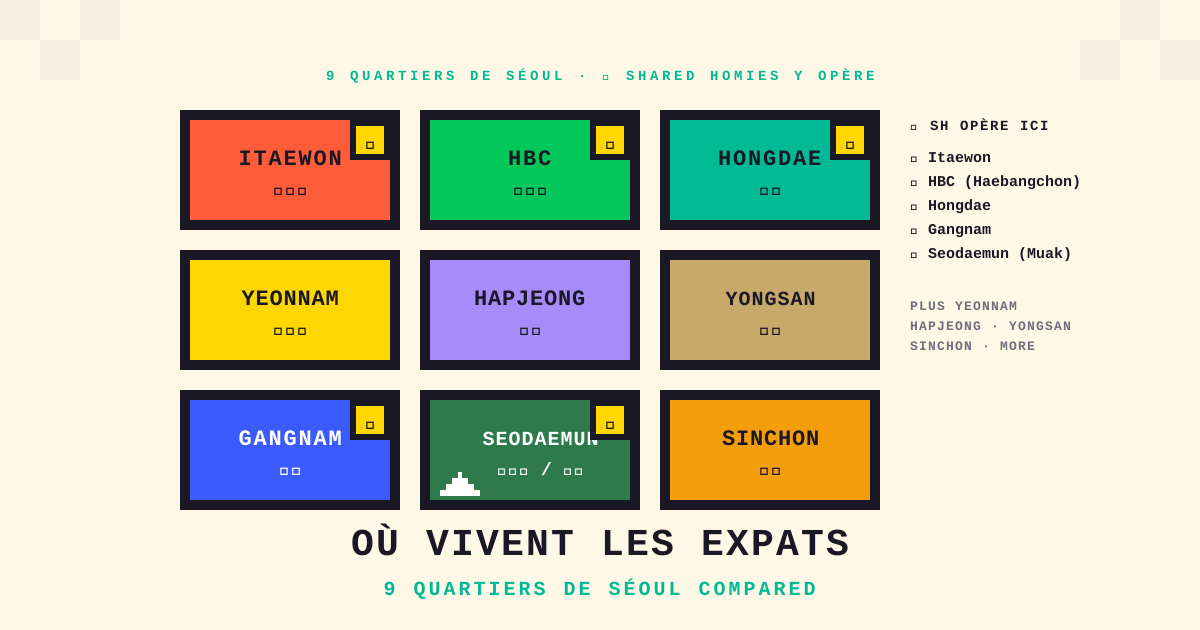
Monthly Rentals in Seoul for Foreigners: What's Available, What It Costs, and How to Book
Foreigners have more monthly rental options in Seoul than they think — but each comes with different requirements and trade-offs. Here's the complete 2026 breakdown.
5 min de lecture
Six Visas, Six Co-living Stories: How Foreigners on Working Holiday, Student, Work, and Nomad Visas Actually Live in Seoul
Nine real Shared Homies tenants — on Working Holiday, Student, E-7 work, and Digital Nomad visas — on what co-living in Seoul actually looked like.
11 min de lecture